

Assurance santé en France : guide complet pour s’y retrouver
L’accès à l’Assurance Maladie passe par la résidence stable de 3 mois.
- Justifiez d’une résidence stable et régulière d’au moins 3 mois.
- Déposez le formulaire S1106 auprès de votre CPAM.
- Joignez titre de séjour, justificatif de domicile et d’état civil.
- En situation irrégulière, l’AME couvre les soins à 100%.
- Une consultation généraliste est remboursée sur la base de 26,50€.
Accès au système de santé français : conditions et démarches
Conditions de résidence pour bénéficier de la Protection Universelle Maladie (PUMa)
Pour accéder à l’Assurance Maladie française via la Protection Universelle Maladie (PUMa), vous devez justifier d’une résidence stable et régulière d’au moins 3 mois sur le territoire. Ce délai de 3 mois de résidence légale est une condition impérative, quelle que soit votre nationalité.
- Délai de résidence stable : 3 mois minimum en France
- Justificatif de séjour régulier exigé (titre de séjour, visa long séjour, etc.)
- Exemple AME : consultation généraliste à 26,50€, prise en charge à 100%
- Formulaire S1106 téléchargeable : document clé pour l’affiliation
- Affiliation via CPAM de votre département de résidence
Pour les personnes en situation irrégulière, l’Aide Médicale de l’État (AME) offre une couverture similaire, avec une prise en charge à 100% sur la base des tarifs de la Sécurité sociale. Une consultation chez un généraliste est ainsi remboursée sur la base de 26,50€. L’AME est également soumise à la condition de résidence ininterrompue de 3 mois.
Démarches d’affiliation : formulaire S1106 et justificatifs requis
L’affilation à la CPAM (Caisse Primaire d’Assurance Maladie) de votre département débute par le dépôt du formulaire S1106. Ce document, dont la version anglaise pèse 398.88 Ko et la version française 943.18 Ko, constitue la demande officielle de rattachement au régime général.
Vous devez joindre les pièces justificatives suivantes : justificatif d’état civil (acte de naissance), justificatif de domicile récent, copie de votre titre de séjour ou visa, et tout document prouvant votre résidence ininterrompue depuis au moins 3 mois. Envoyez le dossier complet par courrier recommandé ou déposez-le directement à l’accueil de votre CPAM.
Fonctionnement du système de santé français : les bases à connaître
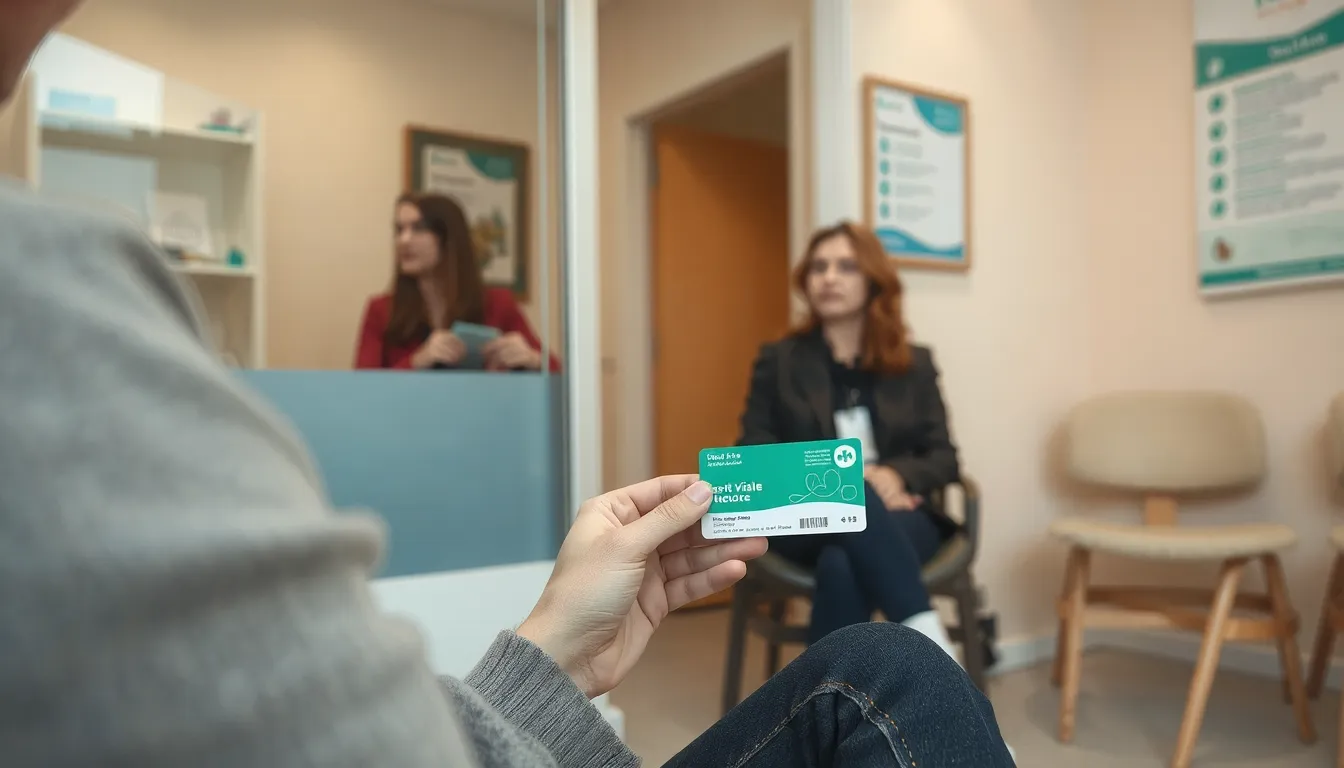
Le système de santé français repose sur deux niveaux de financement : la couverture obligatoire de base (Sécurité sociale) et une assurance complémentaire facultative ou obligatoire. Ce modèle garantit à chaque résident un accès aux soins, quel que soit son choix de professionnel de santé.
En cas d’urgence vitale, composez le 15 pour joindre le SAMU (appel gratuit). Les soins sont assurés dans trois types d’établissements : publics, privés non lucratifs et privés lucratifs. L’Agence Régionale de Santé (ARS) supervise l’offre de soins sur chaque territoire, tandis que la Haute Autorité de Santé (HAS) accrédite les médecins exerçant en établissement.
Le patient conserve la libre choix du professionnel de santé. La part non remboursée par la Sécurité sociale, appelée ticket modérateur, peut être prise en charge par une mutuelle ou complémentaire santé.
Remboursement des frais médicaux : procédure et taux appliqués
Le remboursement de vos frais de santé repose sur un système à deux étages : la Sécurité sociale (CPAM) vous verse un premier remboursement basé sur un tarif de référence, puis votre mutuelle (complémentaire santé) peut couvrir tout ou partie du ticket modérateur. Le document clé pour déclencher cette procédure est la feuille de soins, remise par le professionnel de santé après la consultation.
| Type de soin | Taux Sécu | Ticket modérateur patient |
|---|---|---|
| Consultation généraliste (médecin traitant, secteur 1) | 70 % | 30 % (soit 8,10 € sur 27 €) |
| Consultation spécialiste (secteur 1) | 70 % | 30 % |
| Analyse de biologie médicale | 60 % | 40 % |
| Hospitalisation (frais de séjour) | 80 % | 20 % (+ forfait journalier à votre charge) |
| Médicaments remboursables (vignette blanche) | 15 % | 85 % |
Pour les bénéficiaires de l’Aide Médicale d’État (AME), la prise en charge est beaucoup plus large : 100 % des soins sont remboursés sur la base du tarif Sécurité sociale. Par exemple, une consultation généraliste à 26,50 € est intégralement couverte sans reste à charge. Ce dispositif est accessible après une résidence stable d’au moins 3 mois.
Dans le parcours de soins classique, si vous consultez directement un spécialiste sans passer par votre médecin traitant, le taux de remboursement baisse et votre ticket modérateur augmente. La feuille de soins peut être transmise à la CPAM par voie postale (en recommandé) ou directement déposée. Si votre professionnel de santé utilise la carte Vitale, la procédure est dématérialisée et le remboursement intervient sous 5 à 7 jours ouvrés. Le tiers payant vous permet de ne pas avancer les frais : la CPAM paie directement le professionnel pour la part remboursable.
Assurance santé privée pour expatriés : avantages et souscription
Avant d’obtenir la Protection Universelle Maladie (PUMa), vous devez obligatoirement disposer d’une couverture santé privée pendant les 3 premiers mois de résidence en France. Voici les options les plus adaptées à votre situation.
- AXA Global Healthcare : couverture internationale complète, idéale pour les expatriés mobiles et les familles
- Fab French Insurance : assureur privé spécialisé dans l’accompagnement des expatriés s’installant en France
- EHIC obligatoire : pour les séjours temporaires, remplacez votre Carte Européenne d’Assurance Maladie avant de partir
- Couverture complémentaire privée : deuxième niveau de protection recommandé pour compléter les remboursements publics
- Souscription avant l’arrivée : effectuez les démarches depuis votre pays d’origine pour être couvert dès le premier jour
Conseils pratiques pour bien choisir
Privilégiez un contrat incluant le tiers payant pour éviter d’avancer les frais chez le médecin. Vérifiez également que l’assurance prend en charge les consultations de spécialistes sans délai d’attente. Le choix d’un assureur disposant d’une ligne téléphonique dédiée, joignable au 09 74 75 36 46 (ou 0033 974 75 36 46 depuis l’étranger), facilite grandement les démarches administratives.
Pourquoi souscrire avant les 3 mois ?
La PUMa n’est accessible qu’après une résidence légale et ininterrompue de 3 mois. Pendant cette période transitoire, vous devez prouver que vous détenez une assurance privée pour justifier votre droit au séjour et éviter tout trou de couverture médicale. En cas d’urgence, composez le 15 (SAMU) ; ce numéro est gratuit et accessible 24h/24.
Mutuelle et complémentaire santé : obligatoire ou facultative ?
En France, le remboursement des soins repose sur deux piliers : la Sécurité sociale qui couvre une partie des frais, et une complémentaire qui prend en charge le ticket modérateur. Pour les salariés, cette complémentaire n’est plus un choix, mais une obligation légale. Pour les autres profils, plusieurs solutions existent, dont une aide publique accessible sous conditions.
À découvrir aussi
Pour compléter votre couverture, sachez qu’un refus de la CNP n’empêche pas de trouver une solution : la délégation d’assurance permet de faire étudier un risque aggravé par une autre compagnie, souvent plus souple. Et pour mesurer l’impact réel de vos cotisations sur votre budget, le calcul du salaire net après impôt détaille ce qui reste une fois les prélèvements déduits.
Mutuelle d’entreprise : obligations et financement par l’employeur
Depuis la généralisation de la complémentaire santé, tous les salariés du secteur privé doivent obligatoirement être couverts par leur employeur. Cette mutuelle est financée par l’entreprise à hauteur d’au moins 50% du montant de la cotisation le reste est à la charge du salarié. Le contrat est collectif, ce qui signifie que les garanties sont les mêmes pour tous les employés de l’entreprise.
Cette mutuelle obligatoire ne peut pas être refusée, sauf cas exceptionnels (temps partiel très réduit, bénéficiaire déjà couvert par une autre mutuelle obligatoire). Elle intervient en complément de la CPAM pour rembourser la partie non prise en charge par l’Assurance Maladie, notamment les dépassements d’honoraires et les soins dentaires ou optiques.
Complémentaire santé solidaire (CSS) : une aide publique pour les revenus modestes
Pour les personnes aux ressources limitées, la Complémentaire santé solidaire (CSS) offre une protection sans cotisation ou à très faible coût. Cette aide est financée par l’État et permet d’accéder aux soins sans avance de frais.
- Aide financée par l’État : la CSS est gratuite ou participative selon les ressources du foyer
- Sous conditions de ressources : le plafond est fixé chaque année par la réglementation et varie selon la composition du foyer
- Accès aux soins à moindre coût : les consultations, médicaments et soins sont remboursés intégralement ou presque
- Exonération du ticket modérateur : le patient ne paie pas la part qui reste normalement à sa charge après le remboursement de la Sécurité sociale
- Demande auprès de la CPAM : le dossier s’effectue directement en ligne ou auprès de sa caisse d’Assurance Maladie
La CSS remplace l’ancienne CMU-C et l’ACS. Elle est valable un an et se renouvelle automatiquement si les conditions de ressources restent remplies. Pour les expatriés en attente d’affiliation à la PUMa, il est conseillé de souscrire une assurance privée temporaire avant d’être éligible à ce dispositif public.
Foire aux questions sur l’assurance santé en France
Quel est le coût moyen d’une assurance santé en France ?
Le coût moyen d’une mutuelle santé en France varie entre 30 et 100 euros par mois pour un adulte, selon les garanties et l’âge. Pour une assurance santé privée destinée aux expatriés, les tarifs débutent souvent à 50 euros mensuels pour une couverture de base.
Comment obtenir un remboursement de la CPAM pour des soins ?
Vous obtenez un remboursement de la CPAM en communiquant votre carte Vitale à jour lors des consultations ou soins. La CPAM rembourse automatiquement la part obligatoire dans les 5 jours ouvrés sur votre compte bancaire. Pour les soins à l’étranger, transmettez une feuille de soins papier.
Comment s’appelle l’Assurance Maladie en France officiellement ?
L’Assurance Maladie en France s’appelle officiellement l’Assurance Maladie Obligatoire, gérée par la Caisse Primaire d’Assurance Maladie (CPAM). Le sigle CPAM désigne les organismes locaux qui gèrent les remboursements sur tout le territoire français.
Qui prend en charge les frais de santé en France ?
Les frais de santé en France sont pris en charge par l’Assurance Maladie obligatoire (Sécurité sociale) qui rembourse une partie forfaitaire, et par la mutuelle complémentaire (obligatoire ou facultative) qui couvre le ticket modérateur restant. Le patient paie d’abord et se fait rembourser.